

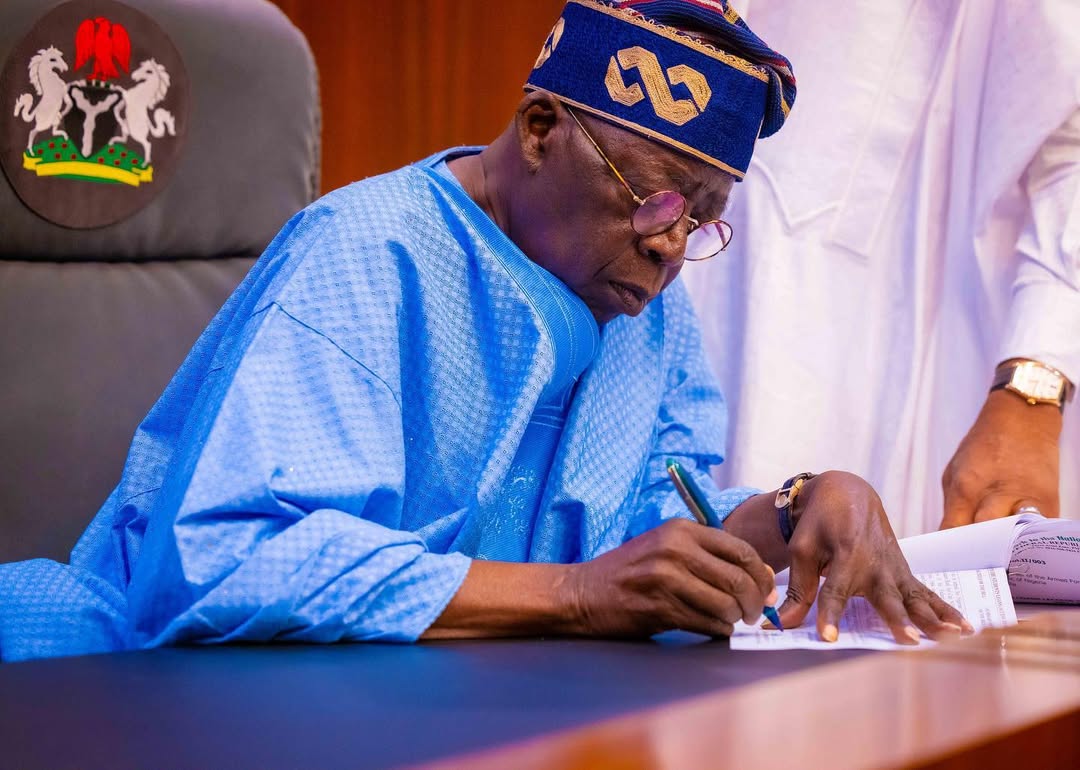
President Bola Ahmed Tinubu is expected to sign the ₦68.3 trillion 2026 budget into law any moment after its transmission from the National Assembly.
The signing will mark a crucial step in Nigeria’s fiscal planning and economic development agenda.
National Assembly Transmits 2026 Budget to Tinubu
The National Assembly has officially transmitted the approved 2026 appropriation bill to the President for assent.
According to reports:
- The budget was delivered by the Presidential Liaison Officer to the Senate
- The President now has the constitutional authority to sign it into law
- No specific date has been announced for the signing
This development signals the final stage before full implementation.
Budget Size and Key Adjustments
The 2026 budget stands at approximately ₦68.323 trillion, reflecting an increase from the initial proposal submitted by the President.
Key highlights include:
- An upward revision from about ₦58.47 trillion
- Additional funding to accommodate critical national priorities
- A focus on long-term economic stability and development
The revised framework aligns with the administration’s fiscal strategy.
Focus on Capital Projects and Development
A significant portion of the budget has been allocated to capital expenditure, underscoring the government’s commitment to infrastructure and growth.
Major allocations include:
- ₦32.287 trillion for capital projects
- Funding for the transportation and healthcare sectors
- Increased support for the judiciary and key institutions
These allocations are expected to drive economic expansion and improve public services.
Extended Implementation Timeline
The implementation deadline for the 2026 budget has been adjusted to ensure smoother execution.
Officials confirmed that:
- The deadline has been extended to June 30, 2026
- Ministries, Departments, and Agencies (MDAs) will have more time to complete ongoing projects
- The adjustment aims to prevent disruptions in government programmes
Tinubu to Sign 2026 Budget: Implications for Nigeria’s Economy
Economic analysts believe the signing of the budget could:
- Boost investor confidence
- Accelerate infrastructure development
- Support economic recovery and growth
The emphasis on capital expenditure is seen as a strategic move to stimulate long-term productivity.
Conclusion
The imminent signing of the ₦68.3 trillion 2026 budget by President Bola Ahmed Tinubu represents a critical milestone in Nigeria’s economic planning.
As the country awaits Tinubu to sign, attention now shifts to the effective implementation of the projects in the 2026 budget and the delivery of tangible benefits to Nigerians.