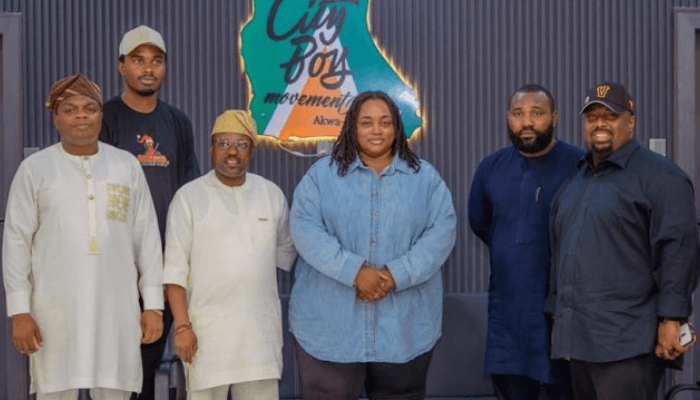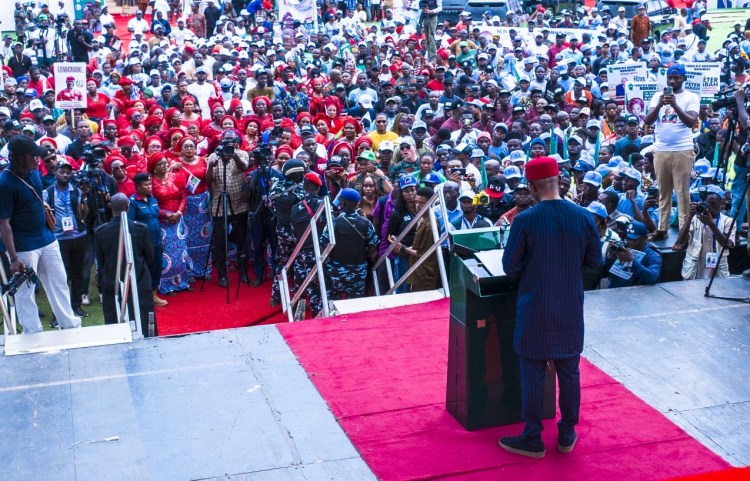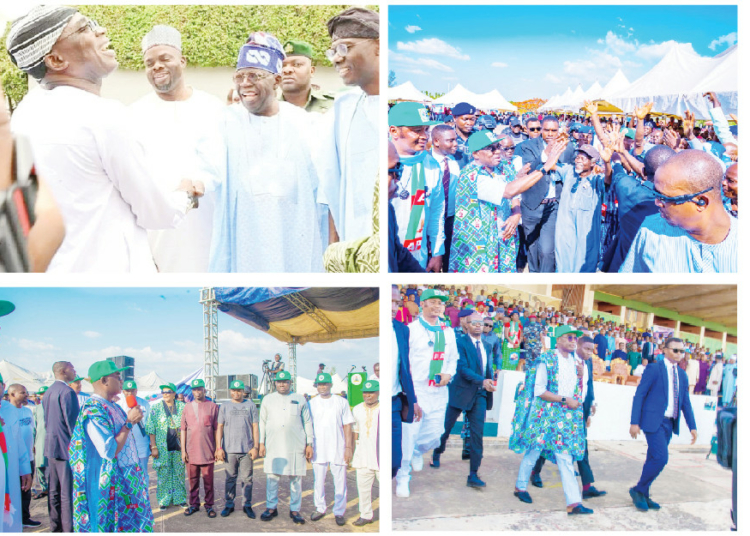


Seyi Tinubu has emerged as a central figure in the expansion of the City Boy Movement into Nigeria’s South-East, as efforts intensify to mobilise grassroots support ahead of the 2027 elections.
The South-East strategy highlights a growing push to strengthen political engagement, youth mobilisation, and regional inclusion.
Expanding the City Boy Movement in the South-East
Seyi Tinubu has been at the forefront of efforts to extend the reach of the City Boy Movement, a pro-government support group aligned with Bola Ahmed Tinubu.
The strategy includes:
- Engaging influential stakeholders and youth groups
- Building grassroots mobilisation structures
- Strengthening political visibility in the region
The initiative reflects a broader attempt to deepen political participation and support in the South-East.
Focus on Youth Mobilisation and Stakeholder Engagement
Observers note that Seyi Tinubu’s approach places strong emphasis on youth-driven engagement and collaboration with business and community leaders.
Key elements of the strategy include:
- Partnerships with regional influencers
- Outreach programmes targeting young Nigerians
- Efforts to bridge political and economic divides
These efforts are aimed at building a more inclusive and nationally connected political base.
Onoh: City Movement in the South-East Needs Better Coordination
Amid the expansion, stakeholders have advised caution to ensure alignment with existing party structures.
Former presidential spokesman Josef Onoh urged that:
- New initiatives should complement established party frameworks
- Parallel structures could weaken cohesion
- Strong coordination is essential for electoral success
He emphasised that unity among party leaders and stakeholders remains critical, particularly in a region where electoral performance has historically been challenging.
Importance of Party Unity Ahead of 2027
The South-East remains a key region in Nigeria’s political landscape, making strategic alignment essential.
Stakeholders stress that:
- Cohesion within party ranks is vital
- Grassroots engagement must be sustained
- Long-term political organisation outweighs short-term visibility
Analysts also note that effective mobilisation in the region could play a significant role in shaping outcomes in future elections.
Balancing Innovation with Political Structure
While the City Boy Movement introduces new energy into political mobilisation, experts highlight the need to balance innovation with established systems.
According to political observers:
- New movements can drive engagement and visibility
- Existing party structures provide stability and coordination
- Integration of both approaches is key to success
This balance is seen as critical to ensuring that mobilisation efforts translate into tangible political gains.
City Boy Movement in South-East and Implications for National Politics
Seyi Tinubu’s growing influence within the movement underscores his role in shaping political narratives and mobilisation strategies.
The expansion into the South-East signals:
- Increased focus on national political inclusivity
- Efforts to broaden support beyond traditional strongholds
- Early positioning ahead of the 2027 general elections
Conclusion
The leadership of Seyi Tinubu in driving the City Boy Movement in the South-East with a strategy that reflects political mobilisation and engagement.
As stakeholders call for greater coordination and unity, the success of the initiative will depend on how effectively it integrates grassroots energy with established political structures to achieve long-term impact.