
Nigeria has signed a $1 billion steel investment deal with India, marking a major milestone in the country’s industrialisation drive under President Bola Ahmed Tinubu.
The steel deal is being seen as a strong signal of growing investor confidence in the nation’s reform-driven economic agenda.
Landmark Agreement with Indian Firm
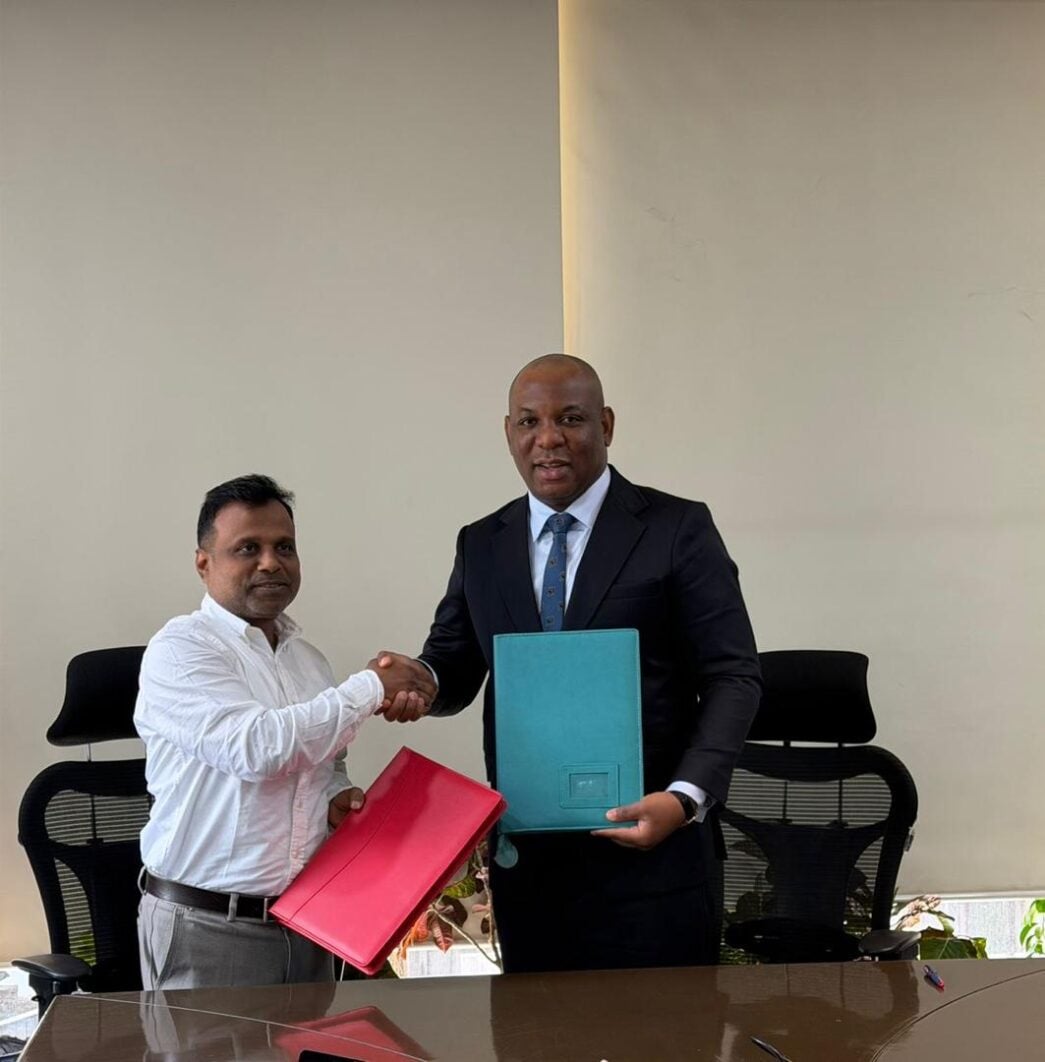
The deal was formalised through a Memorandum of Understanding (MoU) between Nigeria and India’s Rashmi Metaliks Group.
The agreement aims to:
- Boost local steel production
- Reduce dependence on imported steel
- Strengthen Nigeria’s industrial base
The signing took place during an official visit by Nigeria’s Minister of Steel Development, Shuaibu Abubakar Audu, to the company’s facility in Kolkata.
Nigeria and India Steel Deal Driving Industrialisation
Officials described the deal as part of a broader strategy to reposition Nigeria as a value-adding industrial economy rather than a raw material exporter.
Key objectives include:
- Developing an integrated steel value chain
- Promoting technology transfer and innovation
- Creating jobs and industrial opportunities
Nigeria is estimated to have over 3 billion tonnes of iron ore reserves, highlighting the sector’s untapped potential.
Tinubu’s Reforms Attracting Foreign Investment
The agreement is also being linked to ongoing economic reforms introduced by the Tinubu administration.
Government officials noted that:
- Policy clarity is improving investor confidence
- Ease-of-doing-business reforms are attracting capital
- Strategic sectors like steel are gaining attention
The steel deal adds to a growing list of foreign investments entering Nigeria’s economy.
Steel Deal Strengthens Economic Ties Between Nigeria and India
The partnership further strengthens bilateral relations between Nigeria and India, particularly in:
- Steel and mining
- Manufacturing and industrial development
- Technology and capacity building
Both countries are expected to deepen cooperation in key economic sectors.
Expanding Nigeria’s Steel Production Capacity
Nigeria currently spends billions annually on steel imports, with domestic demand estimated at about $10 billion.
Through this deal, the government aims to:
- Increase local production capacity
- Achieve 10 million tonnes of steel output annually by 2030
- Position Nigeria as a regional steel hub
This aligns with long-term economic diversification goals.
Nigeria-India Steel Deal: Broader Investment Pipeline
The steel agreement is part of a wider investment pipeline that includes:
- A $400 million steel plant project in Ogun State
- A $300 million iron and steel facility in Kaduna
- Energy infrastructure projects to support industrial growth
Officials say these projects will create an ecosystem for sustainable industrial expansion.
Conclusion
The $1 billion Nigeria and India steel deal marks a significant step in the country’s journey toward industrialisation and economic diversification.
As reforms continue to attract global investors, Nigeria is positioning itself as a competitive destination for large-scale industrial investments and long-term economic growth.