

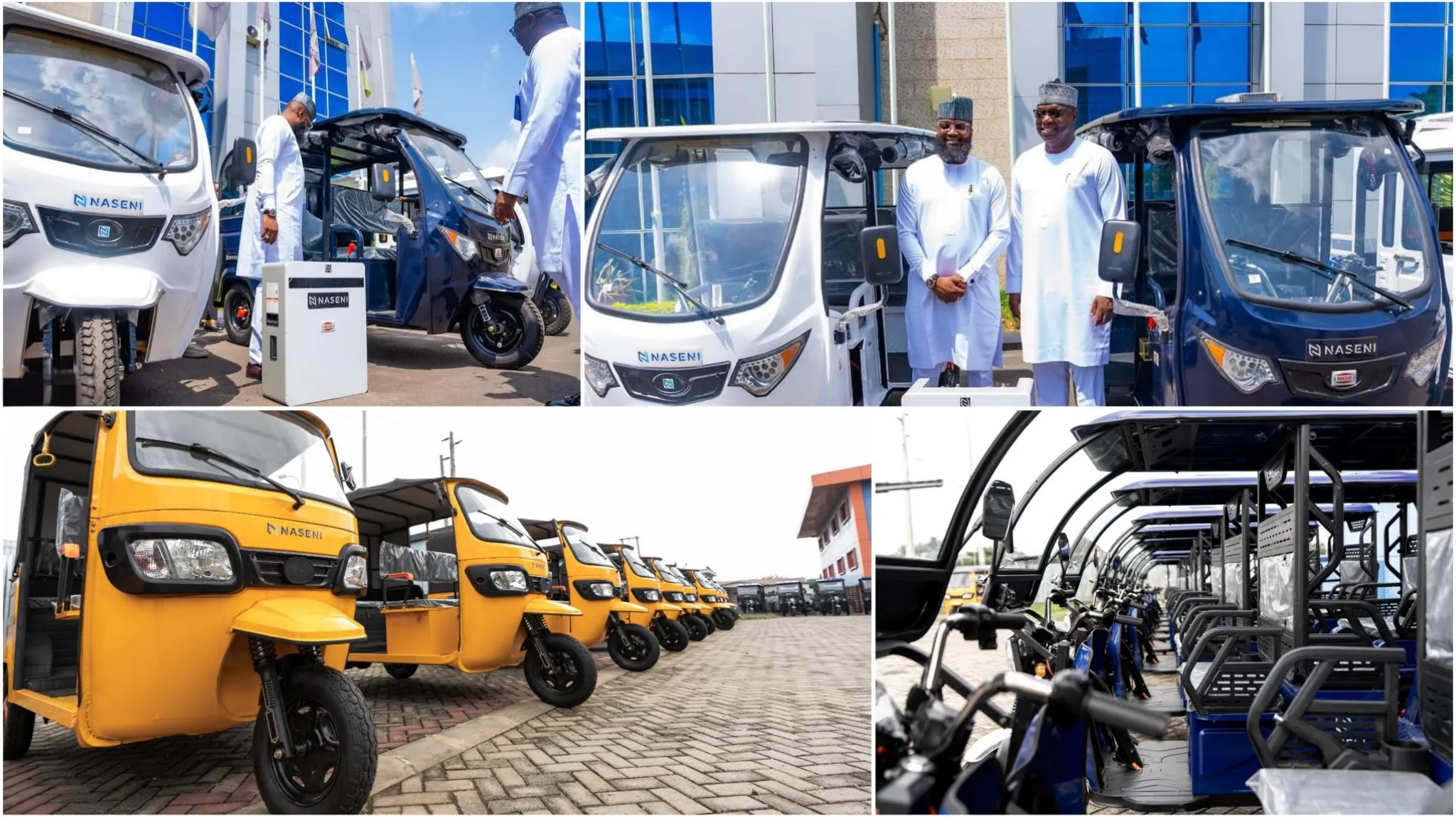
The National Agency for Science and Engineering Infrastructure (NASENI) is advancing efforts to revolutionise Nigeria’s transport system through its locally developed tricycle, popularly known as the NASENI keke.
The affordable transportation initiative aims to provide cost-effective, environmentally friendly mobility options for millions of Nigerians.
Addressing Nigeria’s Transport Challenges
Nigeria’s transportation system continues to face pressure from:
- Rapid population growth
- Rising fuel costs
- Limited public transit infrastructure
Across urban and rural areas, commuters rely heavily on tricycles (keke) as a primary mode of transport.
NASENI’s innovation is designed to ease this burden by offering a more sustainable and affordable alternative.
Introducing the NASENI Electric Keke
At the heart of the initiative is the development of electric-powered tricycles (e-keke), built to suit Nigeria’s terrain and economic realities.
Key features include:
- Zero-emission operation, reducing environmental pollution
- Lower operating costs compared to petrol-powered alternatives
- Reduced noise levels for improved urban living
The innovation aligns with global trends toward clean and sustainable transportation.
Cost Savings for Drivers and Commuters
One of the biggest advantages of the NASENI keke is affordability.
For operators:
- Lower fuel dependency reduces daily running costs
- Maintenance expenses are significantly reduced
- Higher profit margins become possible
For commuters:
- Potential reduction in transport fares
- More reliable and accessible transport options
This makes the initiative particularly beneficial for low-income earners.
Boosting Local Manufacturing and Innovation
The NASENI keke project is also part of a broader strategy to promote local production.
The agency is focused on:
- Developing Made-in-Nigeria transportation solutions
- Reducing reliance on imported vehicles
- Strengthening the local manufacturing sector
This aligns with national goals of economic diversification and industrial growth.
Supporting Clean Energy Transition
The introduction of electric tricycles supports Nigeria’s transition to cleaner energy sources.
Benefits include:
- Reduction in carbon emissions
- Improved air quality in congested cities
- Contribution to climate change mitigation efforts
The initiative positions Nigeria within the global shift toward electric mobility.
Potential Impact of NASENI Keke on Employment and Economy
Analysts say the NASENI keke initiative could generate wide-ranging economic benefits, including:
- Job creation in manufacturing and maintenance
- New business opportunities for transport operators
- Growth in supporting industries such as battery production
The project also opens doors for innovation in Nigeria’s mobility sector.
Challenges and the Road Ahead
Despite its potential, the success of the initiative depends on:
- Scaling production for nationwide adoption
- Building charging infrastructure
- Encouraging private sector participation
Past efforts to commercialise locally made tricycles have faced challenges, particularly due to competition from cheaper imports.
Conclusion
The NASENI electric keke represents a significant step toward creating affordable and sustainable transportation in Nigeria.
By combining innovation, local production, and clean energy solutions, the initiative has the potential to transform mobility, reduce costs, and support economic growth across the country.