
Mali’s military rulers faced a security crisis Monday after coordinated attacks by jihadists and separatist rebels killed the defence minister, but the junta chief has not been seen since the assault began.
Several strategic towns and areas around the capital Bamako were targeted in the offensive by Tuareg rebels of the Azawad Liberation Front (FLA) coalition and the jihadist Group for the Support of Islam and Muslims (JNIM), which was launched at dawn on Saturday.
Mali has been mired in more than a decade of violence, but analysts said the attacks were the most serious challenge to its rulers since a March 2012 offensive that was repelled by the intervention of French forces, who have since left.

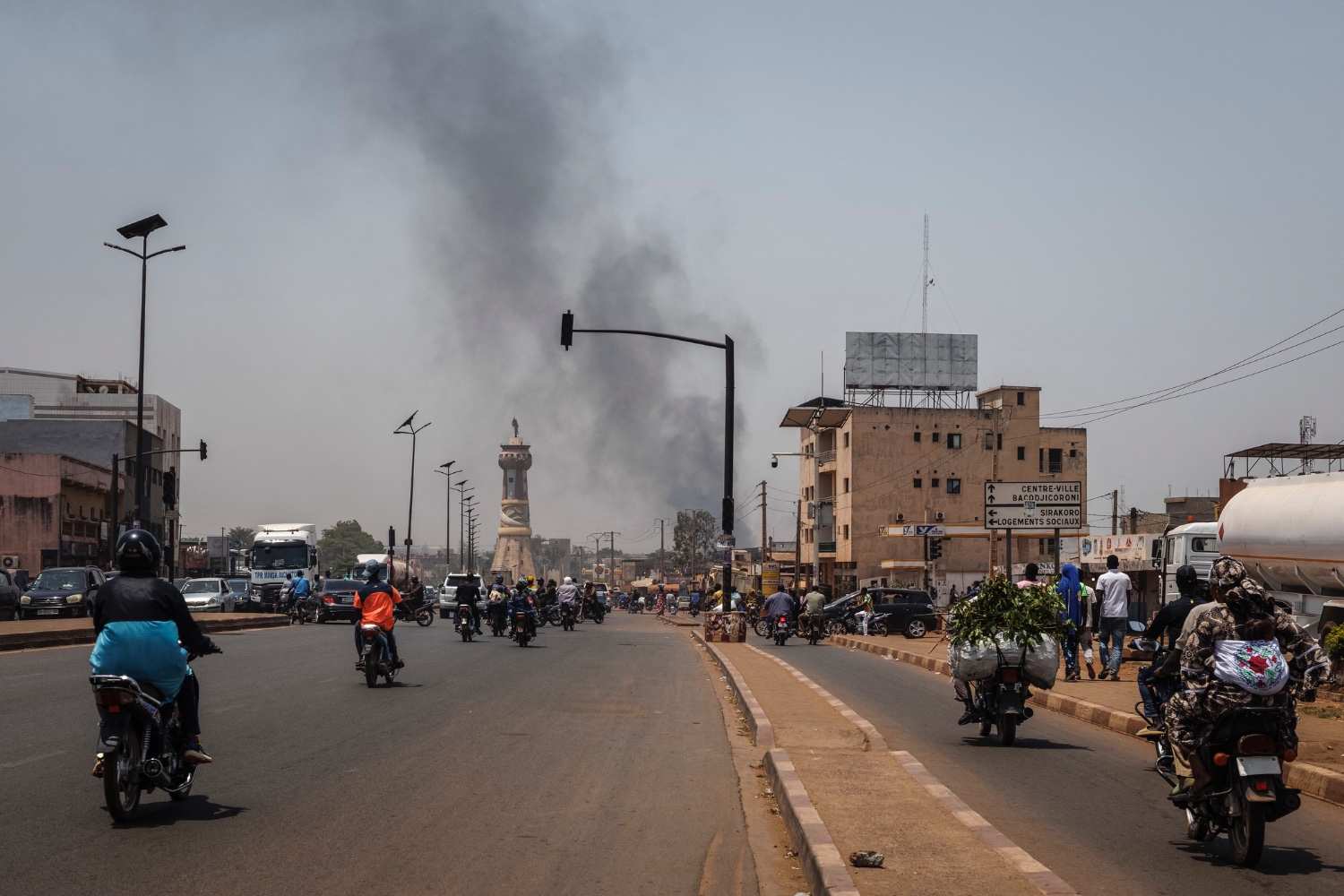
After two days of intense fighting between Malian soldiers and the armed groups, Bamako and Kati, a garrison town and junta stronghold about 15 kilometres (nine miles) north of the capital, were quiet on Monday.
No gunfire was heard in Kati, where clashes had continued a day earlier.
The wreckage of burnt-out cars could be seen as well as the impact of bullets, AFP journalists saw.
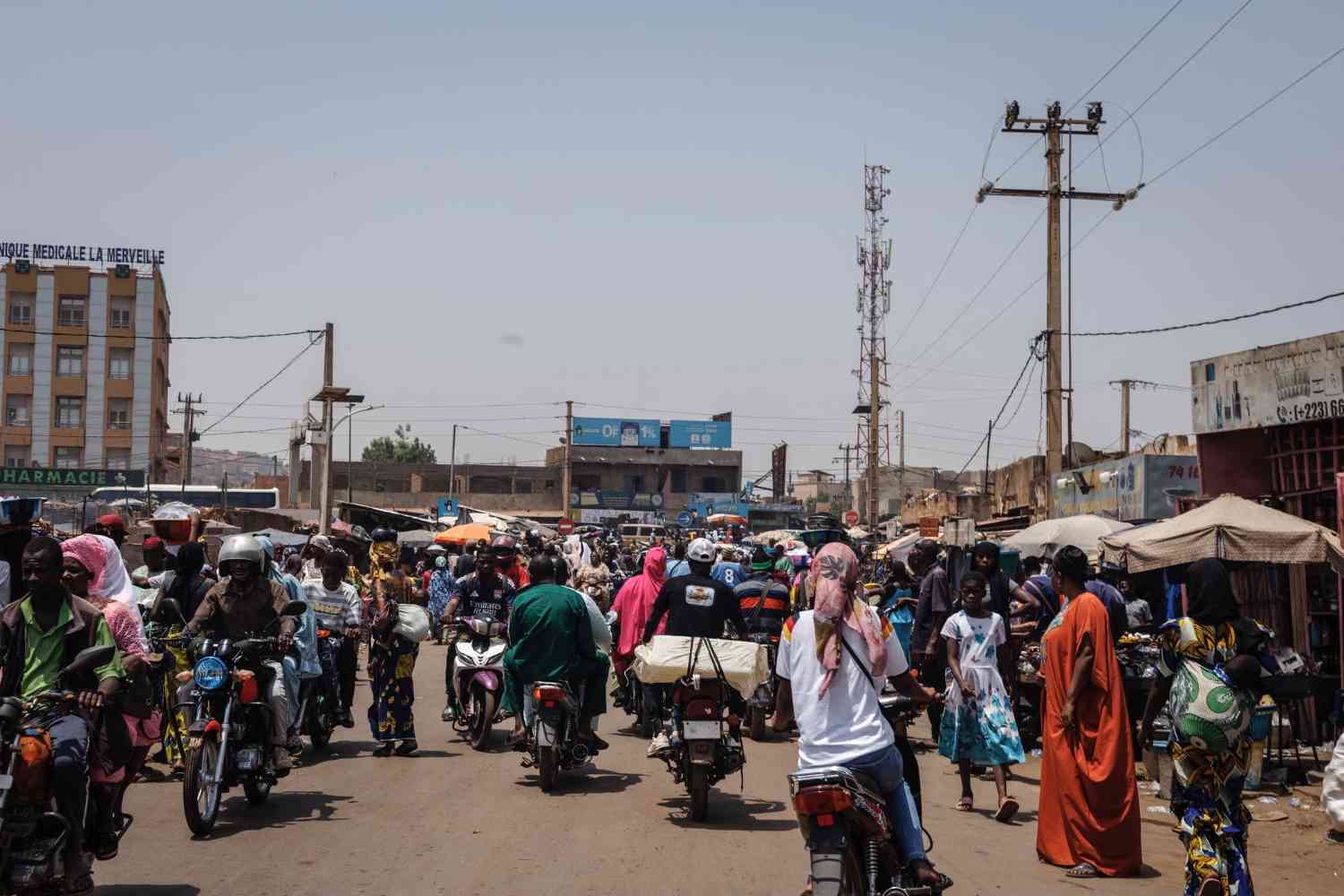
The area around the airport in the outlying district of Senou was also calm on Monday, where only a few military aircraft were making runs at regular intervals.
“We conducted sweep operations throughout the night, which allowed us to reduce the checkpoints. Now we are counting on the public to report any suspicious individuals in the neighbourhoods,” an officer in Senou told AFP.
General Assimi Goita, who heads the junta that seized power in 2020, has not been seen or made a public statement since the attacks.
A Malian security source has told AFP that he was in a safe place.
Defence Minister Sadio Camara, 47, a key junta member, was killed on Saturday in a car bomb attack on his home in Kati, the government said in a late Sunday statement.

His second wife and two of his grandchildren also died, his family and an official said.
Camara fought his attackers, “some of whom he succeeded in neutralising”, but the general died of his wounds in hospital, the government statement added.
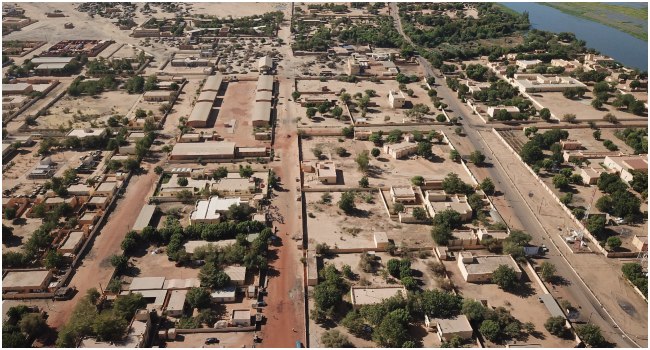
Fighting also continued on Sunday in the strategic northern towns of Kidal and Gao, as well as Severe in central Mali.
Rebels claim Kidal

The alliance between the Tuareg rebels, who want independence for a region in the north, and the Al-Qaeda-linked jihadists further deepens Mali’s security crisis.
Tuareg rebels told AFP they had reached an agreement allowing Russian Africa Corps forces backing Mali’s army to withdraw from Kidal, which they claimed was “totally” under their control.
“We saw a military convoy leave, but don’t know the details of what’s happening. Fighters from armed movements have now taken over the streets,” said one resident.
Mali’s army had recaptured Kidal, a Tuareg stronghold, in November 2023 with the help of Russia’s Wagner paramilitary group, ending more than a decade of control by rebels.
The FLA, made up of mainly Tuareg groups who want independence for Azawad, also said it had taken positions in the northern Gao region.
The situation in the central town of Sevare, where gunfire could still be heard on Sunday, remained “confused”, a local official said.
Wave of condemnation
After seizing power, Goita emphasised Mali’s commitment to the anti-jihadist fight and initially pledged a return to civilian rule.
Mali, which has gold and other valuable minerals, has since severed ties with former colonial ruler France and several Western countries, moving closer to Moscow.
Russia’s Africa Corps, an organisation under direct control of the Russian defence ministry, has taken over from the mercenary Wagner group in helping Malian forces fight jihadists.
The opposition Coalition of Forces for the Republic (CFR) said in a statement that Mali was “in danger”.
The junta had “promised Malians security, stability and the return of the State” it said.
After the weekend offensive, nobody could seriously claim that Mali was either pacified or secure, it added.
The Alliance of Sahel States (AES), which comprises Mali and its junta-led neighbours Burkina Faso and Niger, denounced the attacks as “a monstrous plot backed by the enemies of the liberation of the Sahel”.
United Nations chief Antonio Guterres condemned “acts of violence” in Mali and called for “coordinated international support to address the evolving threat of violent extremism and terrorism in the Sahel and to meet urgent humanitarian needs”, spokesman Stephane Dujarric said.
The European Union has also condemned the attacks.
The post Mali Attacks Deepening Security Crisis appeared first on Channels Television.