

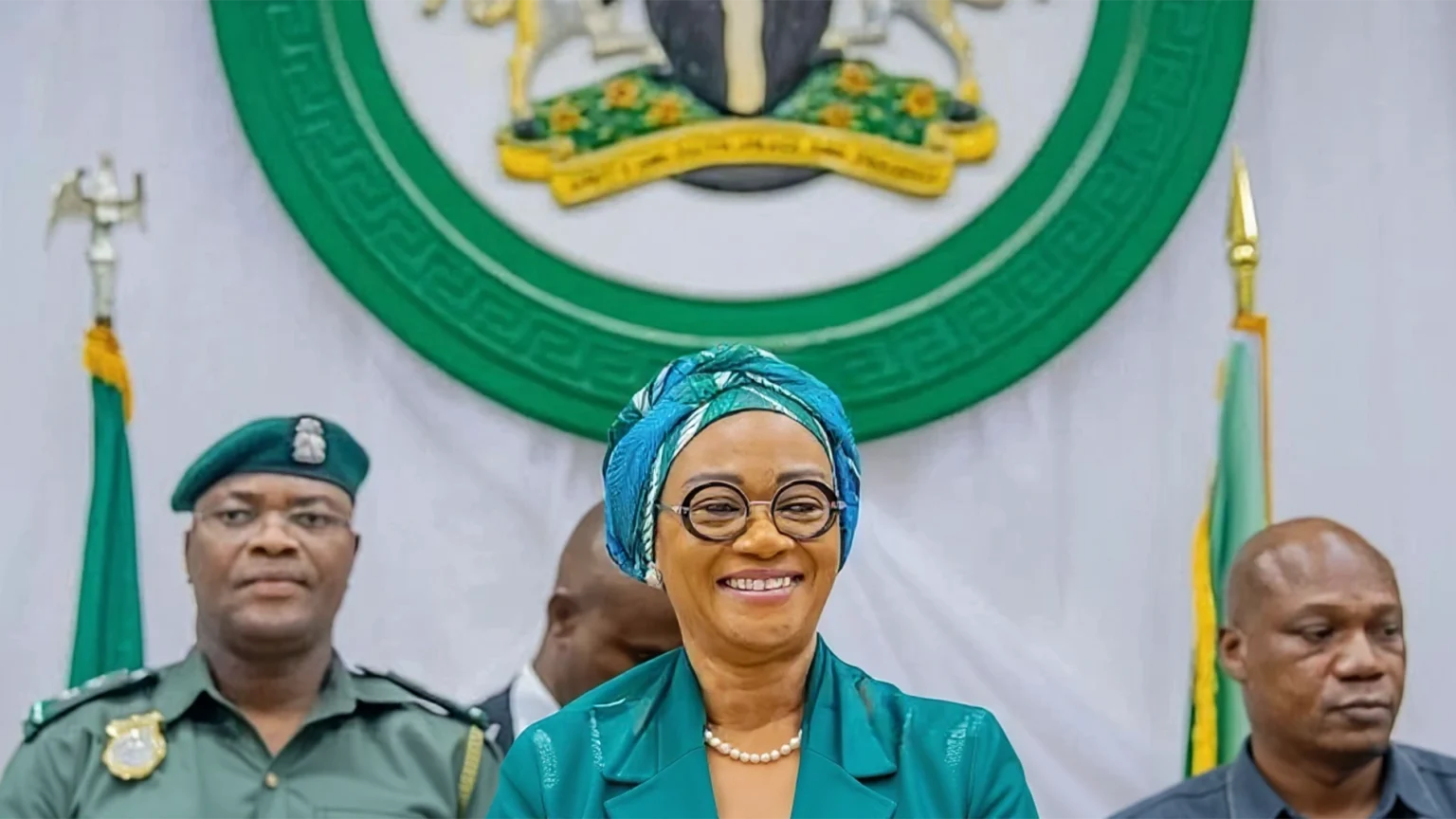
Nigeria’s First Lady, Oluremi Tinubu, alongside Kadri Obafemi Hamzat and Babatunde Raji Fashola, has emphasized the importance of religious tolerance as a key driver of sustainable development in Nigeria.
The leaders reinforced the message of religious tolerance during a high-profile event in Lagos State, where they called for unity across religious and social divides.
First Lady Calls for Unity and Religious Tolerance
Speaking at the commissioning of the ultra-modern central mosque in Odo-Noforija, Epe, the leaders stressed that Nigeria’s diversity should serve as a strength rather than a source of division.
Officials representing the First Lady highlighted that Islamic teachings promote compassion, tolerance, and service to humanity regardless of religious differences.
They underscored the need for Nigerians to work together to build a more inclusive and peaceful society.
Hamzat Emphasizes National Growth Through Harmony
Kadri Obafemi Hamzat urged Nigerians to continually promote peaceful coexistence, noting that national progress thrives best in an environment of mutual understanding and unity.
He also called for prayers and collective support for national leadership, stressing that unity and cooperation remain essential for peace, stability, and prosperity.
Fashola Backs the First Lady on the Role of Religious Tolerance
Babatunde Raji Fashola, in his goodwill message, described religious harmony as a critical factor in driving national development.
He pointed to the mosque’s construction—supported by individuals from different religious backgrounds—as a powerful symbol of unity and collaboration.
Fashola noted that such interfaith cooperation demonstrates Nigeria’s capacity to coexist peacefully despite differences.
Traditional and Religious Leaders Echo Unity Message
Traditional rulers and religious leaders at the event also echoed the call for unity, urging Nigerians to replicate the spirit displayed at the mosque commissioning across the country.
They described the project as:
- A symbol of faith and progress
- A model for inter-religious collaboration
- A pathway to national cohesion
The leaders urged Nigerians to prioritise peace and mutual respect in their daily interactions.
Religious Tolerance as a Pillar of Development
Stakeholders at the event agreed that sustainable development requires peace and unity.
They highlighted key benefits of religious tolerance, including:
- Strengthening national unity
- Enhancing social stability
- Promoting economic growth
- Reducing conflict and division
Experts note that societies embracing a diversity position themselves better for long-term development.
Conclusion
The joint call by the First Lady, Hamzat, and Fashola reinforces the growing consensus that religious tolerance is essential for Nigeria’s progress.
As the nation continues to navigate its diversity, leaders say embracing unity, respect, and peaceful coexistence will remain central to achieving sustainable development and national prosperity.