

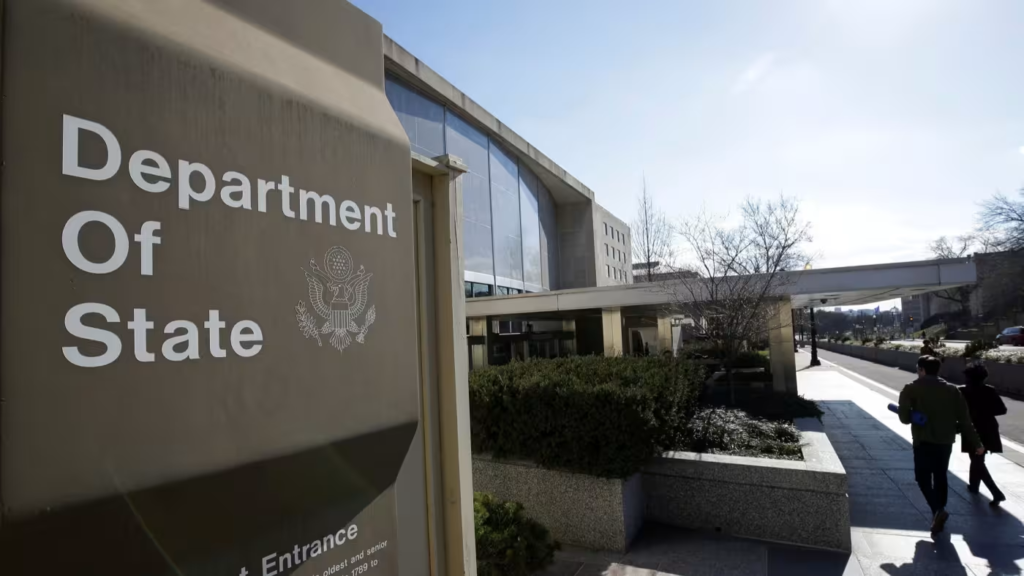
USA halts global effort to fight disinformation. The digital battlefield is growing. Every tweet, post, and video can carry the weight of influence.
For years, the USA led a coordinated international effort to fight disinformation from hostile states.
Countries like Russia, China, and Iran faced a united front aimed at exposing falsehoods and protecting democratic integrity. But that effort has suddenly shifted.
Last week, European countries received a clear notice. The USA is stepping back.
Memoranda of understanding signed under the Biden administration, designed to unite countries in combating hostile information campaigns, are being terminated.
Three European officials confirmed the move. The strategy that once felt like a shield against chaos now appears dismantled.
The Rise and Fall of the Global Engagement Center
The Global Engagement Center (GEC) was at the heart of this initiative. Established in 2011, its mission was initially to counter terrorist propaganda and violent extremism online.
Over time, its scope expanded. The GEC began tracking foreign disinformation campaigns, exposing false narratives, and coordinating with allies abroad.
James Rubin, former head of the GEC, called the USA withdrawal a “unilateral act of disarmament” in the information war.
He warned that in an era of artificial intelligence, the risks from disinformation are only multiplying.
Indeed, the tools used by hostile states are evolving faster than ever, making coordinated international action crucial.
Yet political winds shifted. Republican skeptics in Congress opposed the center, labeling it as censorship.
They argued it stifled free speech and was ineffective. In December, the center closed.
Its functions briefly moved to a State Department office before the Trump administration shuttered it entirely in April.
Terminating the memoranda of understanding marks the final step in ending this global initiative.
The Real Stakes
This is not a small administrative decision. About 22 countries in Europe and Africa had signed these agreements.
Together, they formed a framework to identify and counter foreign manipulation. Without it, disinformation campaigns gain more room to grow unchecked.
Russia, for instance, has used media and cyber operations to sow chaos and influence elections in neighboring countries.
RT, the state-funded Russian broadcaster, was accused of acting on behalf of Russian intelligence, manipulating elections in Moldova, and spreading Kremlin propaganda.
The GEC sanctioned these broadcasters, and Europe banned them following Russia’s invasion of Ukraine.
The US stepping back leaves a vacuum in these coordinated efforts.
Darren Beattie, acting under-secretary of state for public diplomacy, argued that the GEC’s work conflicted with pro-free speech positions.
He described the dismantling as necessary, claiming it was “woefully and embarrassingly ineffective.” Rubin, however, denied any censorship, emphasizing that the center’s mission was protective, not punitive.
Why It Matters
Disinformation from hostile states is not abstract. It affects elections, fuels social unrest, and shapes global perceptions.
By halting this international push, the US risks weakening alliances and leaving partners vulnerable.
Coordination and early detection were the GEC’s strengths; now, those efforts must be rebuilt from scratch if another administration decides to take up the fight.
The story of the GEC is a cautionary tale. It shows how fragile coordinated defense against misinformation can be in the face of political shifts.
As the digital battlefield expands, so does the need for vigilance. The US stepping back is more than a policy change, it is a pivotal moment in the ongoing fight against global disinformation.