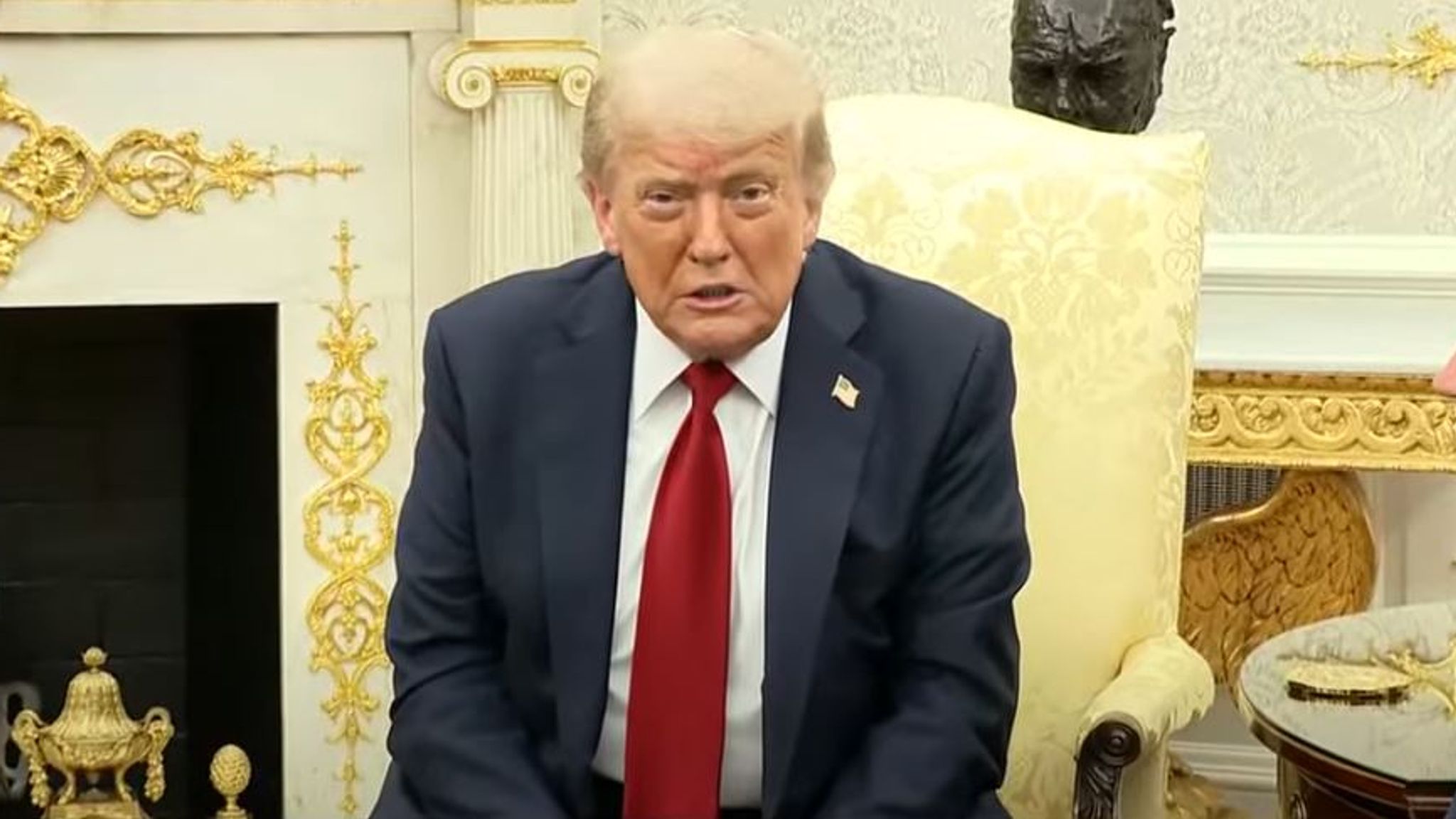

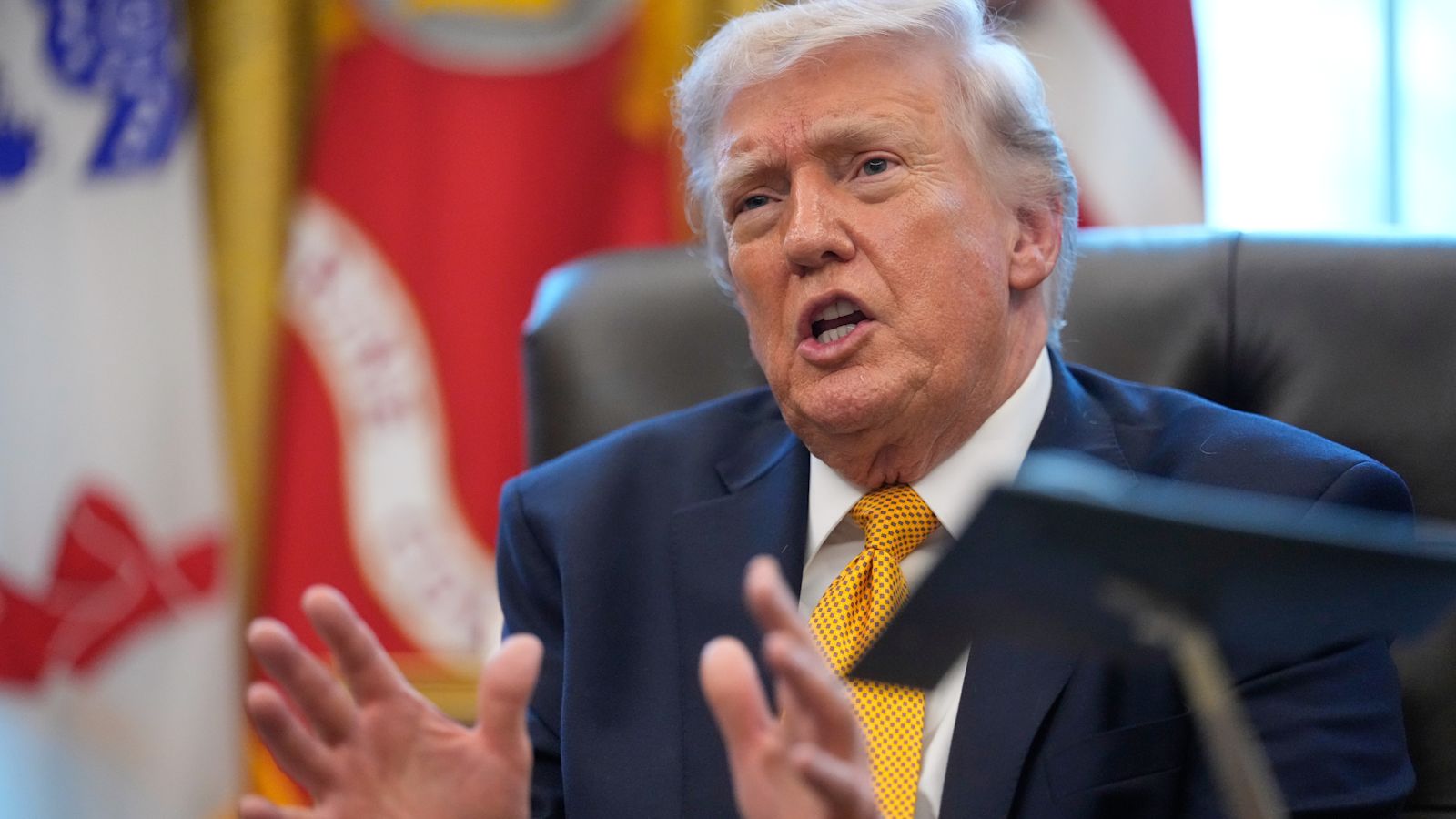
Tensions across the Middle East intensified as US President Donald Trump declared that American military forces would remain positioned around Iran until a “real agreement” on a ceasefire was fully honored. Writing on social media, Trump emphasised that all US ships, aircraft, and personnel would stay in place, warning that failure by Tehran to comply could trigger further conflict.
The statement came amid a rapidly worsening humanitarian crisis in Lebanon, where authorities announced a national day of mourning following a devastating wave of Israeli air attacks. In a single day, at least 254 people were killed and more than 1,165 injured, overwhelming hospitals and emergency services.
Lebanese Prime Minister Nawaf Salam was actively working to rally both political and diplomatic support, aiming to halt what his office described as an ongoing assault. Meanwhile, the country’s Health Minister Rakan Nassereddine appealed urgently for international aid, as the healthcare system struggled to cope with the surge of casualties.
On the Israeli side, Prime Minister Benjamin Netanyahu made clear that Lebanon was not part of any ceasefire arrangement involving the US and Iran. This position was echoed by US Vice President JD Vance, who stated that no such assurances had ever been given.
Abbas Araghchi, Iran’s Foreign Minister, pushed back, insisting that the terms between Washington and Tehran were explicit regarding Lebanon. He argued that the US had to make a clear choice between pursuing a ceasefire or continuing conflict through Israeli military actions, stressing that both paths could not coexist.
Adding to the crisis, Media Network condemned the killing of its correspondent, Mohammed Wishah, in Gaza, calling it a deliberate and “heinous crime.”
Erizia Rubyjeana