

The Philippines has declared a state of national energy emergency, becoming the first country to take such a step in response to the escalating war in Iran and its impact on global oil supplies.
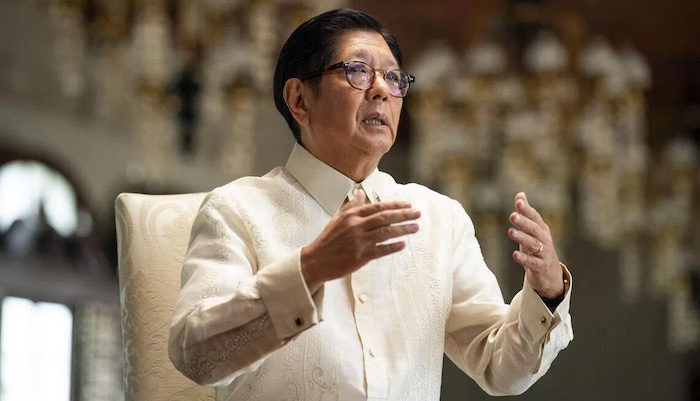
President Ferdinand Marcos Jr. announced late Tuesday that he had signed an executive order to safeguard the country’s energy security, warning of the “imminent danger posed upon the availability and stability” of fuel supplies.
The move follows severe disruptions triggered by the US-Israel conflict with Iran and the effective closure of the Strait of Hormuz, a critical artery for global energy shipments. The blockade has sent shockwaves through international markets, driving shortages and sharp price increases.
The Philippines, which imports about 98 per cent of its oil from the Gulf, has been hit particularly hard. Prices of petrol and diesel have more than doubled since the war began on February 28, placing significant strain on households and businesses.
Marcos said the emergency declaration grants the government sweeping powers to stabilise supply and protect the economy. “Nothing is off the table. We are looking at everything we can do, whatever suggestion, whatever idea,” he said.
Under the order, authorities can directly procure fuel and enforce measures to ensure the distribution of essential goods, including food and medicines. A special committee has also been established to oversee supply chains nationwide. The declaration will remain in effect for one year unless extended or lifted.
Diplomatic efforts are also underway. Philippine Ambassador to the United States Jose Manuel Romualdez said Manila is working with Washington to secure exemptions that would allow oil imports from US-sanctioned countries.
Despite government assurances, the decision has drawn criticism from labour groups. The Kilusang Mayo Uno (KMU) described the declaration as an “admission” of policy failure and accused authorities of previously downplaying the crisis. The group also warned that provisions in the order could restrict workers’ rights, particularly the ability to strike.
Tensions are rising across the country, with transport unions, including Piston, planning a two-day strike later this week. The coalition is demanding fuel tax cuts, price controls, higher wages, and an end to oil deregulation.
Business leaders, however, have expressed support. Billionaire tycoon Manuel V. Pangilinan said rising energy costs are already affecting operations and backed the government’s broad emergency powers, noting it “should have every option” to manage the crisis.
Meanwhile, Energy Secretary Sharon Garin revealed the country has roughly 45 days of fuel supply remaining. She added that the Philippines would temporarily rely more on coal-fired power plants as liquefied natural gas becomes increasingly expensive.
Since the outbreak of hostilities, the government has introduced subsidies for transport workers, reduced ferry operations, and implemented a four-day work week for civil servants to conserve fuel.
Boluwatife Enome