

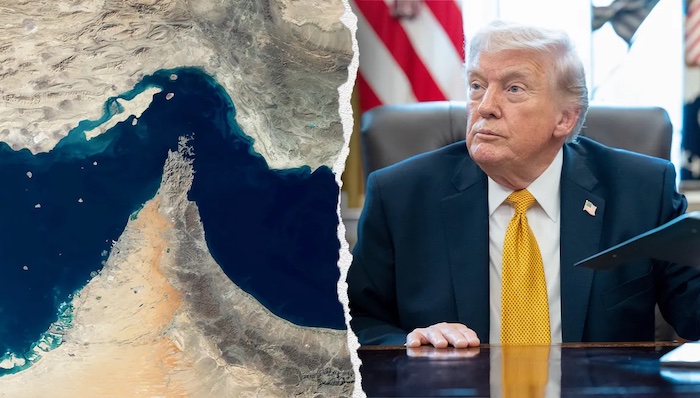
Iran has said “non-hostile vessels” may pass through the strategic Strait of Hormuz if they coordinate with “the competent Iranian authorities”, a move that comes as global oil prices edged lower.
The waterway is regarded as one of the most critical routes for international shipping and energy supplies, making any shift in access conditions closely watched by global markets.
Oil prices dipped early on Wednesday, although they remain significantly higher than levels recorded before the latest escalation in hostilities across the Middle East.
Former US President Donald Trump has insisted talks with Iran are continuing, claiming Tehran handed Washington a “very big present worth a tremendous amount of money” on Tuesday.
Unconfirmed reports suggest the US has presented Iran with a 15-point peace proposal, reportedly including the dismantling of nuclear facilities in exchange for the lifting of economic sanctions.
At the same time, the Pentagon is preparing to deploy troops linked to Iran developments, according to CBS News, a US partner of the BBC. However, details on the timing or location of any deployment have not been made public, and the White House has not commented.
Meanwhile, Israel and Iran continue to exchange strikes, underscoring persistent tensions across the region. In southern Lebanon, state media report that at least 6 people have been killed during the latest violence.
The evolving security situation and shifting diplomatic signals continue to influence global energy markets and international shipping activity through the Gulf corridor.
Faridah Abdulkadiri